
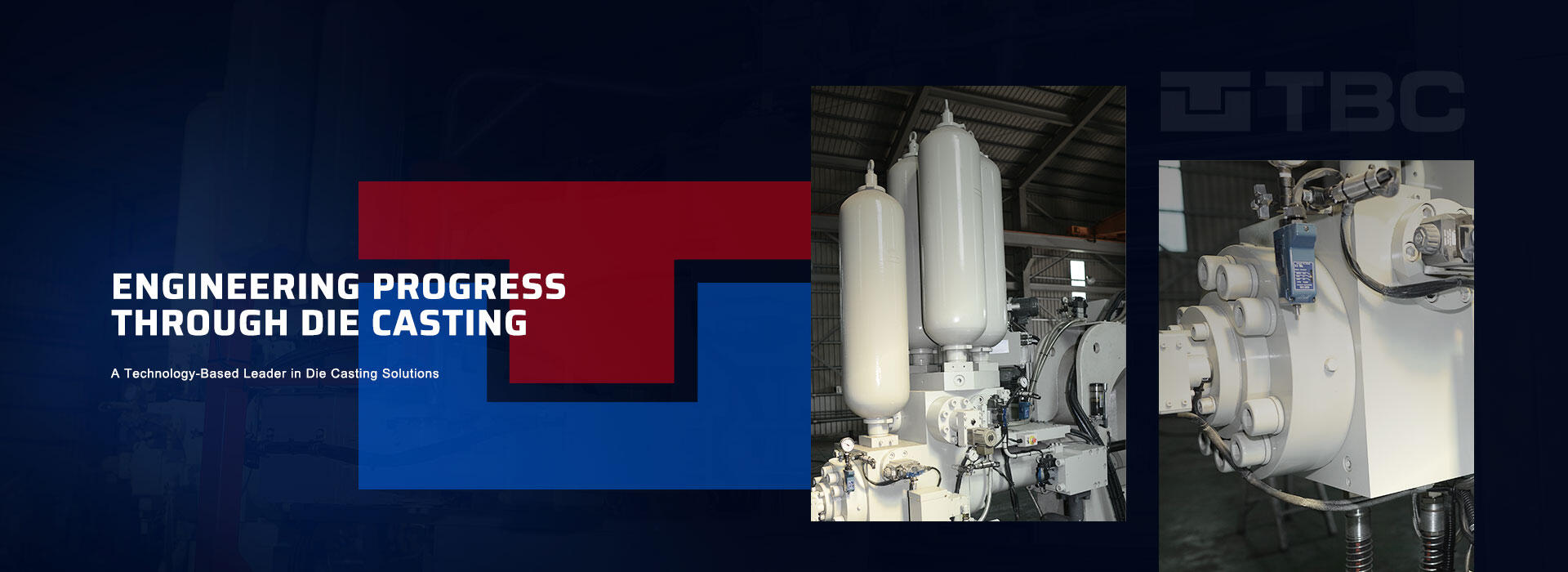
Zinc Alloy Die Casting and Die Casting Machines:A Complete Guide for Precision Manufacturing
In today’s competitive manufacturing landscape, zinc alloy die casting and die casting machines are essential technologies for improving efficiency, consistency, and product quality. With excellent processing characteristics, tight dimensional accuracy, and cost advantages, zinc die casting has become one of the most widely adopted metal forming processes worldwide — especially in automotive, electronics, and hardware manufacturing.
This article provides a comprehensive overview of zinc alloy die casting, how die casting machines work, key advantages, industry applications, and guidance for selecting or upgrading equipment.

1. What Is Zinc Alloy Die Casting?
Zinc alloy die casting is a high-pressure metal forming process in which molten zinc alloy is injected into a precision steel mold using a die casting machine.
This method produces:
highly accurate and dimensionally stable components
complex shapes with fine details
smooth surfaces suitable for secondary finishing
durable parts with high mechanical strength
Common zinc alloys such as Zamak and ZA series are widely used because of their:
low melting point
excellent fluidity
strong mechanical properties
suitability for mass production
Compared with aluminum or magnesium die casting, zinc die casting offers better precision, longer mold life, and lower total production costs — making it ideal for high-volume manufacturing.
👉 Read More: Choosing the Best Hot Chamber Die Casting Option for Your Project
2. How Zinc Die Casting Machines Work
A zinc die casting machine injects molten metal into a closed mold under high pressure.
The basic operating cycle includes:
Melting – Zinc alloy is heated in a furnace.
Injection – Molten metal enters the shot chamber, then is rapidly forced into the die cavity using a plunger or hydraulic system.
Solidification – The metal cools and hardens within seconds.
Ejection – The die opens and releases the finished part.
Repetition – The cycle repeats with high stability and speed.
Modern die casting machines — including hot chamber and cold chamber types — are designed for:
stable production and repeatability
energy-efficient operation
tight dimensional control
compatibility with automated systems
They are suitable for both mass production and small-batch manufacturing, especially for industries requiring fast turnaround or frequent model changes.
3. Advantages of Zinc Alloy Die Casting
Zinc alloy die casting offers a combination of performance, efficiency, and design flexibility unmatched by many other manufacturing processes.
Key Benefits
High Precision
Achieves tight tolerances, ideal for miniature components and detailed structures.Exceptional Strength & Durability
Ensures long-lasting parts with strong mechanical performance.Excellent Surface Finish
Smooth surfaces reduce the need for extensive post-processing and are ideal for plating or coating.Superior Fluidity
Supports intricate shapes, thin walls, and complex geometries.Long Mold Life
Lower melting temperatures reduce mold wear, significantly extending tool lifespan.Cost Efficiency
Lower material waste, fast cycle times, and high-volume capability reduce overall production costs.Environmental Sustainability
Zinc alloys are fully recyclable, supporting sustainable manufacturing initiatives.Space- & Automation-Friendly
Compact machine designs fit small factory layouts and integrate easily with automatic feeding, release agents, and robotic arms.
4. Applications of Zinc Alloy Die Casting
Zinc die casting is used across diverse industries for its precision, strength, and adaptability:
Automotive
brackets, housings, handles, decorative trims
structural and functional interior components
Electronics
connectors, switch components, casings, heat sinks
Hardware & Decorative Products
locks, hinges, handles, ornaments
Consumer Goods
home appliances, toys, lifestyle accessories
Industrial Equipment
gears, valves, fittings, and mechanical parts requiring durability
Its ability to support high-volume production, high accuracy, and complex geometry makes zinc die casting a superior choice for manufacturers seeking both quality and consistency.
5. Production Line Upgrades & Complete Die Casting Solutions
With increasing product complexity and stricter market demands, upgrading zinc die casting equipment has become essential for maintaining competitiveness.
Upgrading Equipment Helps You Achieve:
higher and more stable product quality
reduced production costs and material waste
improved automation levels and faster delivery
enhanced productivity and flexibility for diverse models or small-batch orders
We provide comprehensive zinc die casting solutions suitable for factories of all sizes — from large-scale production lines to compact workshops.
6. Why Choose TBC ?
Extensive Industry Experience
Many years of research, manufacturing, and optimization in die casting technologies.Customized Equipment Solutions
Machines tailored to product type, production volume, and automation requirements.Reliable After-Sales Support
Fast-response service teams ensure stable and continuous operation.Continuous Innovation
Advancing automation, energy efficiency, and smart manufacturing technologies.
7. Contact Us — Enhance Your Production Efficiency Today
Looking to improve productivity, automation, or product quality?
We offer professional guidance to help you select the best zinc alloy die casting machine and production plan.
With advanced die casting technology,
precision meets efficiency, and innovation meets reliability.
Every casting reflects engineering excellence — and with the right equipment, your manufacturing capabilities stay ahead of the market.